


Why is the melting point of titanium so important in the titanium processing process?
The melting point of a substance refers to the temperature at which the substance changes from a solid state to a liquid state under normal pressure. At the melting point, the solid and liquid phases are in equilibrium. The melting point of a substance depends on the pressure and is usually indicated as a standard pressure in the reference material. The melting point is also known as the liquefaction point, solid phase, or liquid phase.
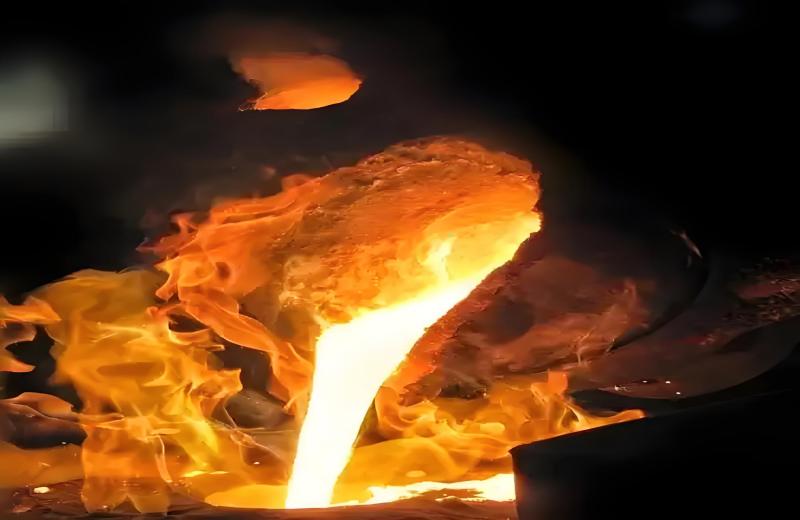
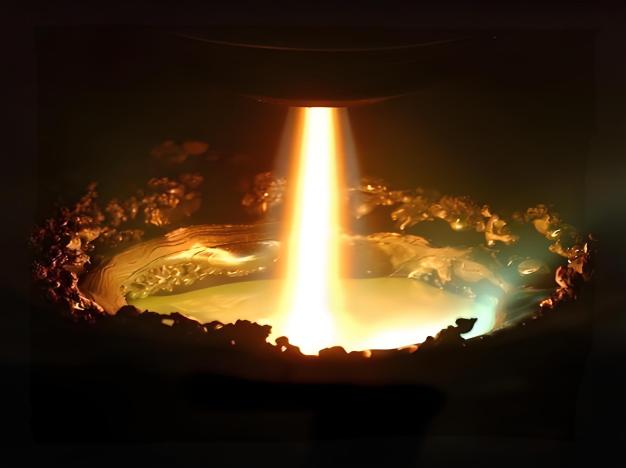
Melting point of steel: 1425-1540 °C / 2600-2800 °F
Melting point of gold: 1064 °C / 1947.5 °F
Melting point of copper: 1084 °C / 1983 °F
Melting point of iron: 1538 °C / 2800 °F
Melting point of lead: 327.5 °C / 621 °F
Melting point of silver: 961 °C / 1761 °F
Titanium is renowned for its exceptional strength-to-weight ratio, corrosion resistance, and biocompatibility. However, one of its most critical properties-especially in industrial applications-is its melting point. Understanding this property is crucial for engineers, manufacturers, and suppliers working with titanium alloys. In this article, we'll explore titanium's melting point, the factors that influence it, how it compares to other metals, and its relevance to industrial processes.
As a trusted titanium supplier and alloy manufacturer,BaojiMingjie can provide feasible insights and solutions to optimize titanium usage in your projects. actionable insights and solutions for optimizing titanium use in your projects.
Why Does the Melting Point of Titanium Matter?
The melting point of a metal determines its suitability for high-temperature applications, manufacturing methods (e.g., casting, welding), and compatibility with other materials. Titanium has a melting point of 1,668°C (3,034°F), making it a preferred material for aerospace, medical implants, chemical processing, and more. Here's why this feature is important:
High-Temperature Stability: Titanium maintains its strength and structural integrity in extreme environments.
Manufacturing Precision: Understanding melting behavior ensures optimal casting, forging, and welding results.
Alloy Design: Adjusting alloy composition can alter the melting properties of specific applications.
What factors affect the processing of titanium materials during processing?
While pure titanium has a well-defined melting point, industrial applications typically use titanium alloys. The melting point may depend on factors such as:
When you explore the melting temperature of titanium, you will realize that in its pure form, this metal begins to melt at 1725°C. However, you may realize some variations depending on the level of purity.
For example:
If you change the diffusion mobility of the atoms in titanium, the melting point can change by 450°C. In fact, you will find some titanium alloys have higher melting points for this very reason.
Now Let's quickly take a look at some examples of the melting points of the most common titanium alloys:
|
Example of Titanium Alloy |
Titanium Alloy Melting Point (°C) |
|
Ti 6AL-4V |
1878 – 1933 |
|
Ti 6AL ELI |
1604 – 1660 |
|
Ti 3Al 2.5 |
≤ 1700 ≤1700 |
|
Ti 5Al-2.5S |
≤ 1590 ≤1590 |
Pressure conditions are also one of the most important influencing factors
Under high pressure, titanium's melting point slightly increases-a consideration for aerospace components subjected to dynamic stresses.
then what are the Reasons Why Titanium Melting Point is High ?
Titanium's high melting point stems from its unique atomic properties: strong chemical bonds and high atomic weight (quadruple valence) make it difficult for atoms to escape from the crystal lattice, requiring more heat energy to melt. The high valence number also enhances the binding force of electrons, further raising the melting point. Furthermore, titanium's low thermal expansion allows it to maintain dimensional stability at high temperatures, making it an industrially preferred material.
Titanium vs. Other Metals: Melting Point Comparison
To illustrate the properties of titanium,the table highlights the balance between titanium's high temperature elasticity and relatively low density compared to steel or tungsten.
Here is a comparison with common industrial metals:
|
Metal |
Melting Point (°C) |
Melting Point (°F) |
Key Applications |
|
Titanium |
1,668 |
3,034 |
Aerospace, medical implants |
|
Aluminum |
660 |
1,220 |
Automotive, packaging |
|
Stainless Steel |
1,400–1,530 |
2,552–2,786 |
Construction, tools |
|
Nickel |
1,455 |
2,651 |
Gas turbines, batteries |
|
Tungsten |
3,422 |
6,192 |
Lighting, defense |
Industrial applications that utilize the melting point of titanium
As a leading titanium alloy manufacturer, Baoji Mingjie supports industries that require materials that are resistant to extreme thermal and mechanical stress. Key applications include:
1. Aerospace Engineering
Titanium alloys are used to make jet engine components, landing gear, and fuselage structures. Their high melting point ensures the reliability of supersonic flight.
2. Medical Devices
Surgical tools and implants, such as hip replacements, benefit from titanium's biocompatibility and resistance to sterilization temperatures.
3. Chemical Processing
The reactor, heat exchanger, and pipeline system utilize the corrosion resistance of titanium in acidic or high-temperature environments.
4. Automotive Manufacturing
Lightweight titanium components improve fuel efficiency while withstanding engine heat.
How Mingjie improves the performance of titanium alloy
Baoji Mingjie specializes in providing customized, high-performance titanium alloys tailored to your operational needs. Our areas of expertise include:
Custom Alloy Design: Adjust composition to achieve target melting points, strength, and corrosion resistance.
Precision Manufacturing: Advanced casting, forging, and machining techniques ensure dimensional accuracy.
Quality Assurance: Rigorous testing (e.g., spectral analysis, tensile testing) guarantees compliance with international standards.
Whether you're a titanium parts supplier or an end-user, our solutions optimize cost efficiency and performance.
if you are interested in our titanium alloy,welcome to visit our website www. major-ti.com to search more titanium alloy products you want!


