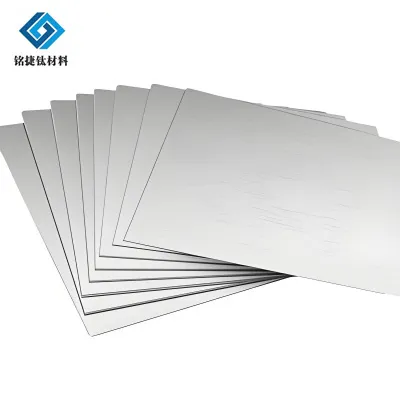
Why can titanium alloys have different colors
Titanium alloy is an alloy material composed of titanium elements and other metals such as aluminum, vanadium, molybdenum, etc
As an important metal material in the 21st century, titanium alloy is used in the aerospace field to manufacture aircraft engine components, rocket shells and fuel tanks due to its excellent corrosion resistance (stable to seawater, acid and alkali and other media), high strength (more than many alloy structural steels) and low density (only 60% of steel)12 and in the medical field, it is ideal for artificial joints and dental implants due to its excellent biocompatibility. Its high-temperature resistance (operating temperature up to 500°C) also makes it a key material in high-temperature environments.

1. High strength and low density
The specific strength of titanium alloy is about 120-150 MPa·g/cm³, while the specific strength of aluminum alloy is about 70-90 MPa·g/cm³, and the density of titanium alloy is about 4.43 g/cm³, which is much lower than that of steel (about 7.85 g/cm³), and is commonly used in aerospace, automotive, and high-strength applications.
Excellent corrosion resistance
The titanium oxide film (TiO₂) formed on the surface of titanium alloy can effectively prevent oxygen, salt and other corrosive substances from reacting with the titanium alloy matrix. Therefore, titanium alloys have strong corrosion resistance under harsh conditions such as seawater and acid-alkali environments.
2. Good biocompatibility
Titanium alloys are widely used in the field of medical devices, especially in orthopedic implants and dental implants, due to their good biocompatibility and will not trigger rejection reactions.
High-Temperature Resistance: Ti-6Al-4V titanium alloy typically operates at temperatures up to 350°C and can withstand temperatures up to 600°C under extreme conditions.
Also colored, what is the difference between aluminum alloy anode and titanium alloy?

Both aluminum and titanium alloy anodizing are electrochemically formed by forming an oxide film on the metal surface.
Aluminum alloys need to dye the workpiece to achieve the desired color.
Titanium anodizing, on the other hand, does not require dyeing
When the natural transparent oxide film of titanium alloys is thickened through the anodizing process, the color is formed by the phenomenon of light interference. Common interference phenomena in life, such as soap bubble film, reflect a series of beautiful colors when natural or artificial light sources shine on it. As light passes through the membrane layer, it is partially reflected, refracted, and absorbed. The reflected light differs in phase, creating interference and what we end up seeing is color.
This process of titanium alloy not only improves the corrosion resistance of titanium alloy but also gives it different colors to meet different application needs

3. Technological flow
Pretreatment: Titanium alloy surfaces need to be cleaned, pickled or sandblasted to remove oil, oxides and impurities and ensure a clean surface.
Anodizing: Titanium alloy pieces are placed in an electrolyzer with titanium alloy as the anode and the electrolyte is usually sulfuric or phosphoric acid solution. By adjusting the current and voltage, the thickness and color of the oxide film change.
Post-Treatment: The oxidized titanium alloy surface is often sealed to further improve its corrosion resistance and surface hardness.
4. There are two main types of anodizing of titanium alloys
Type 2 anodizing has a thinner oxide film and is often used to improve wear and corrosion resistance.
Class II titanium anodizing has a uniform layer of typical gray.
Class II anodized oxide films are generally thinner, about 0.5 to 5 microns. The treated titanium alloy has a gray or light gold color and no dyes are used. It mainly improves the wear resistance and corrosion resistance of titanium alloy, but the appearance is relatively simple. It can enhance the wear resistance of titanium alloys, reducing friction and wear. Improves corrosion resistance and adapts it to more harsh environments. Due to the monolithic color, it is often used for surface treatment of functional parts.
It is used for components that require high strength and corrosion resistance, such as aircraft parts and engine parts, and is also suitable for industrial equipment that requires wear resistance and long life, such as valves, pumps, pressure vessels, etc.
Type 3 anodizing requires a thicker oxide film with a variety of color effects, making it suitable for use as a logo or decorative component.

The oxide film thickness of the three types of anodizing is typically between 5 and 25 microns. Due to the large thickness of the film layer, it can present a variety of colors through the interference effect of the film layer, including blue, purple, gold, green, etc. It enhances the wear and corrosion resistance of titanium alloys, and can produce rich color effects.
In addition to providing stronger surface protection and increasing durability. By adjusting the thickness of the oxide film, different color effects can be obtained, which are suitable for occasions that require decorative and color-coded.
It is used in orthopedic implants, dental implants, etc., with good biocompatibility and corrosion resistance.
Titanium alloy's colored oxide film is widely used in the design of jewelry and decorations, which is both beautiful and strong.
It can also be used in sports equipment, such as bicycle parts, sports equipment, etc., which require both high strength and beautiful appearance.
The titanium anodizing process not only enhances its corrosion and wear resistance but also imparts a variety of colors by forming an oxide film on the surface of the titanium alloy. By reasonably selecting the anodizing process, it can enhance its market attractiveness and competitiveness while improving product functionality.
Does titanium alloy change color? Why does it change color?
Will titanium alloy change color?
Titanium alloys are relatively stable and corrosion-resistant under normal conditions, but they can discolor under certain circumstances. The main causes of discoloration include surface oxidation and the influence of external environmental factors.
1. Surface oxidation
When titanium alloys are exposed to high temperatures or humidity for extended periods, oxidation may occur on their surface, forming an oxide film. This film can appear in various colors, such as pale yellow, blue, or gray. The extent and duration of oxidation depend on factors such as the composition of the titanium alloy, temperature, humidity, and exposure time.
2. External environmental factors
Besides oxidation, discoloration of titanium alloys can also be affected by other environmental factors. For example, titanium alloys may discolor due to the formation of sulfides in sulfur-containing environments, or due to photochemical reactions when exposed to ultraviolet light. Furthermore, surface contamination, friction, or scratches can also cause discoloration.

Why does titanium alloy change color?
The fundamental cause of titanium alloy discoloration lies in chemical reactions and changes in its physical properties on the surface. The formation of oxide films or other compounds on the surface of titanium alloys changes the way they reflect and scatter light, resulting in color changes. Furthermore, the microstructure of titanium alloys can also change when affected by external factors, affecting their optical properties.
Will titanium alloy fade?
Discoloration generally refers to the fading or peeling of a coating or surface treatment. Titanium alloys, by their very nature, are inherently colorfast. However, if titanium alloys are painted, plated, or otherwise treated with a coating, these coatings may fade or peel after prolonged use or exposure to harsh environments. This is primarily dependent on the quality and finish of the coating, as well as the environment and conditions of use.

How to prevent discoloration and fading of titanium alloy?
In order to avoid discoloration and fading of titanium alloy, the following measures can be taken:
1. Keep dry: Try to avoid exposing titanium alloy to a humid environment for a long time to reduce the risk of oxidation and corrosion.
2. Avoid contamination: Clean the titanium alloy surface regularly to remove dirt and impurities to reduce the possibility of chemical reactions.
3. Choose the right coating: If coating is required, choose high-quality, durable coating materials and processes.
4. Proper use and maintenance: Follow the recommendations and maintenance requirements in the product manual to avoid damage such as excessive friction, impact or scratches.

In summary, titanium alloys can indeed discolor under certain circumstances, primarily due to surface oxidation and environmental factors. Discoloration, on the other hand, is primarily related to the quality of the surface coating and the operating environment. By taking appropriate preventive and maintenance measures, the service life of titanium alloy products can be extended while maintaining their aesthetic appearance.