Analysis of the mechanical properties and processing technology of TC4 titanium alloyAnalysis of the mechanical properties and processing technology of TC4 titanium alloy
1. Mechanical properties of TC4 titanium alloy
TC4 titanium alloy (Ti-6Al-4V) is a widely used α+β type titanium alloy with excellent comprehensive mechanical properties. Its tensile strength is generally between 900-1100 MPa, with an elongation of 10%-15%, exhibiting high specific strength. TC4 titanium alloy has a density of only 4.43 g/cm³, far lower than that of steel, allowing for weight reduction while meeting strength requirements. TC4's elastic modulus is approximately 110 GPa; this low elastic modulus contributes to its superior performance in vibration damping and fatigue resistance.
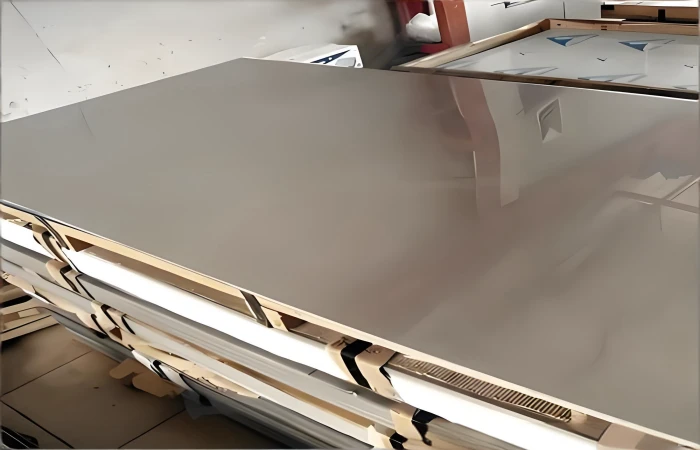
TC4 titanium alloy also possesses excellent corrosion resistance, especially in harsh environments such as marine and aerospace applications, where it exhibits outstanding resistance to oxidation, salt spray, and acid and alkali corrosion. TC4 titanium alloy also demonstrates good high-temperature strength, maintaining high strength and stability within a temperature range of 300-400°C.
2. Machining process of TC4 titanium alloy
Due to the high hardness and strong chemical reactivity of TC4 titanium alloy, tool wear and tool sticking are prone to occur during processing, thus requiring special processing techniques.
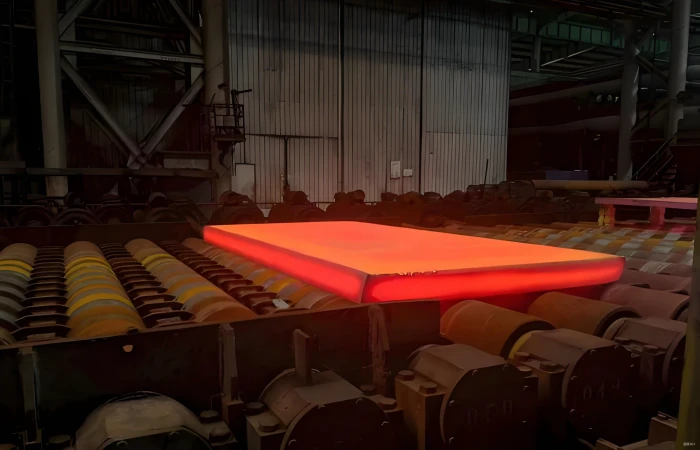
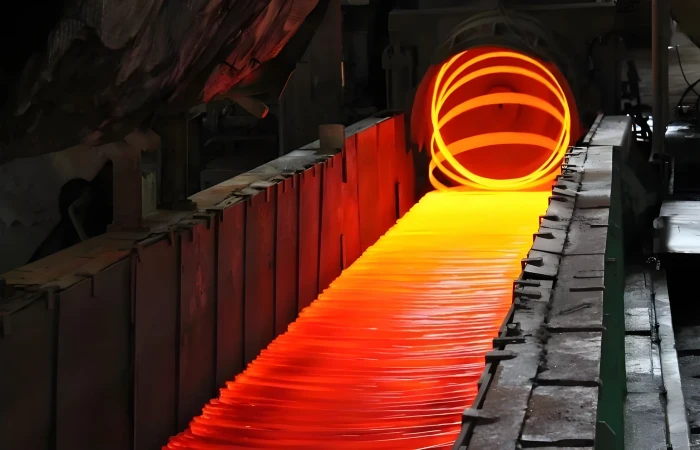
Forging process: The forging temperature of TC4 is generally controlled at 900-950°C. To ensure its uniform microstructure, solution treatment and aging treatment are usually required after forging. During solution treatment, the alloy is heated to 950-1020°C and then rapidly cooled. Aging treatment is usually carried out at 500-600°C, which effectively improves its mechanical properties.
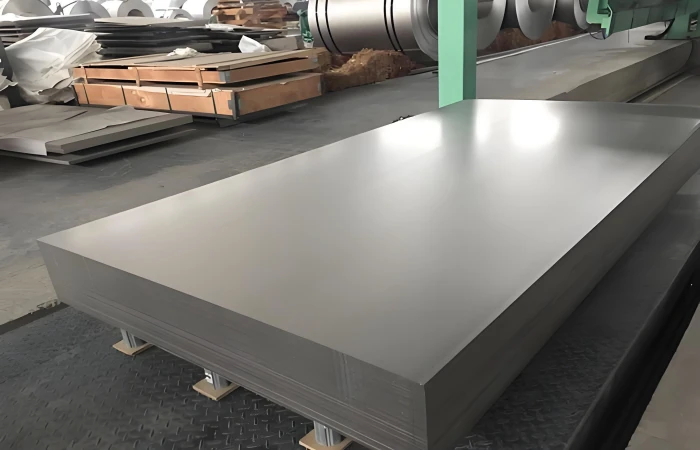
Machining: Carbide tools are typically used when machining TC4 titanium alloy, and machining parameters must be strictly controlled. Recommended cutting speeds are generally between 30-60 m/min, and feed rates are controlled between 0.1-0.3 mm/rev. Due to the poor thermal conductivity of TC4, a large amount of coolant should be used during machining to prevent excessive workpiece temperature from causing oxidation or structural changes.
Welding process: TC4 has good weldability, and commonly used welding methods include tungsten inert gas (TIG) welding and electron beam welding. During welding, care must be taken to prevent oxidation of the weld area; inert gas is typically used for protection. Post-weld heat treatment is also required to relieve stress and restore performance.
3. Conclusion
Due to its excellent mechanical properties and machinability, TC4 titanium alloy is widely used in demanding fields such as aerospace and medical devices. Through proper heat treatment and processing control, the material advantages of TC4 can be fully utilized to meet various stringent operating conditions.