

How does Gr23 Titanium Bar contribute to weight reduction in automotive applications?
In the automotive industry, weight reduction has emerged as a crucial strategy for enhancing fuel efficiency, improving performance, and reducing emissions. The quest for lighter materials has led to the exploration of various alloys, with titanium alloys standing out for their exceptional strength - to - weight ratio. Among these, Gr23 Titanium Bar has become a game - changer. As a supplier of Gr23 Titanium Bar, I am excited to delve into how this remarkable material contributes to weight reduction in automotive applications.
Understanding Gr23 Titanium Bar
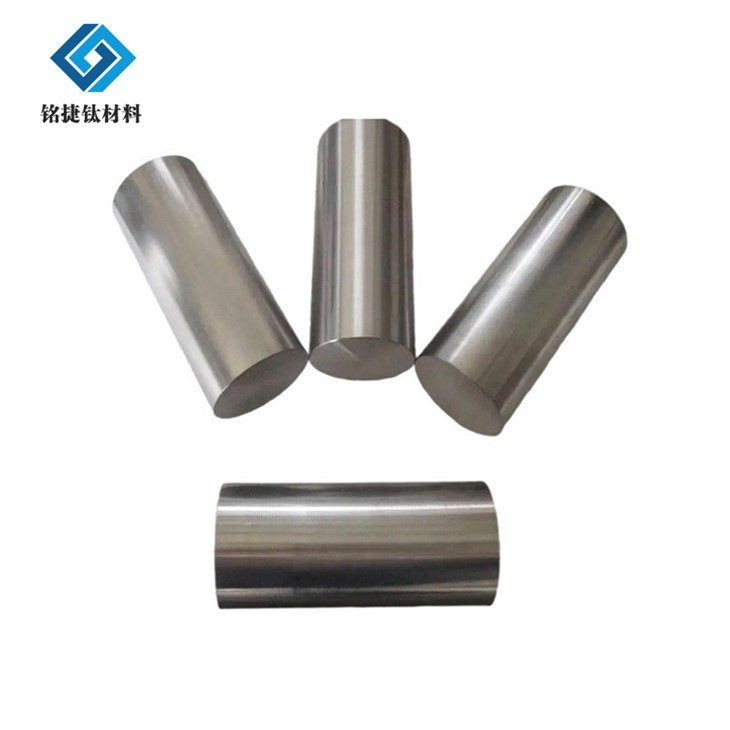
Gr23 Titanium Bar, also known as Ti - 6Al - 4V ELI (Extra Low Interstitial), is a high - performance titanium alloy. It is an enhanced version of the widely used Gr5 Titanium alloy, with lower interstitial elements such as oxygen, nitrogen, and carbon. This makes Gr23 Titanium Bar not only strong but also more ductile and biocompatible, which is why it is also referred to as Medical titanium Gr23 Bar.
The chemical composition of Gr23 Titanium Bar consists mainly of titanium (Ti), with 6% aluminum (Al) and 4% vanadium (V). Aluminum contributes to the alloy's high strength at elevated temperatures, while vanadium enhances its ductility and hardenability. The low interstitial content gives it excellent corrosion resistance, making it suitable for harsh automotive environments.
High Strength - to - Weight Ratio
One of the primary ways Gr23 Titanium Bar contributes to weight reduction in automotive applications is through its outstanding strength - to - weight ratio. Strength - to - weight ratio is a measure of how much load a material can bear relative to its weight. Gr23 Titanium Bar has a density of approximately 4.43 g/cm³, which is significantly lower than that of steel (around 7.85 g/cm³). Despite its lower density, it offers comparable or even superior strength to many steel alloys.
For automotive components such as engine parts, suspension systems, and exhaust components, using Gr23 Titanium Bar allows for the design of parts that can withstand high mechanical stresses while being much lighter. For example, in engine connecting rods, replacing steel with Gr23 Titanium Bar can reduce the weight of the rod by up to 40%. This weight reduction not only reduces the overall weight of the engine but also improves the engine's responsiveness and efficiency, as less energy is required to move the lighter components.
Design Flexibility
Gr23 Titanium Bar provides automotive designers with greater design flexibility, which can further contribute to weight reduction. Its excellent formability allows for the creation of complex shapes and thin - walled structures that are difficult or impossible to achieve with traditional materials.
Automotive designers can use Gr23 Titanium Bar to create optimized designs that minimize material usage without sacrificing strength. For instance, in the design of automotive frames, the high formability of Gr23 Titanium Bar enables the creation of hollow sections and integrated structures. These designs can reduce the amount of material used while maintaining the structural integrity of the frame. By using advanced manufacturing techniques such as forging and machining, designers can tailor the shape and thickness of Gr23 Titanium Bar components to meet specific performance requirements, resulting in significant weight savings.

Corrosion Resistance
Corrosion is a major concern in the automotive industry, as it can lead to structural degradation and increased weight due to the need for additional protective coatings or replacement parts. Gr23 Titanium Bar has excellent corrosion resistance, which eliminates the need for heavy protective coatings or frequent part replacements.
In automotive applications, components such as exhaust systems, fuel tanks, and underbody parts are often exposed to harsh environments, including road salt, moisture, and chemicals. Using Gr23 Titanium Bar in these components can prevent corrosion - related weight gain. For example, in exhaust systems, traditional steel exhaust pipes may require thick coatings to resist corrosion, adding extra weight. In contrast, Gr23 Titanium Bar exhaust pipes can operate without protective coatings, reducing the overall weight of the exhaust system. Additionally, the long - term durability of Gr23 Titanium Bar means that components made from it are less likely to need replacement, further contributing to weight reduction over the vehicle's lifespan.
Comparison with Other Titanium Alloys and Materials
When considering weight reduction in automotive applications, it is important to compare Gr23 Titanium Bar with other materials and titanium alloys. Ta15 Titanium Bar is another titanium alloy commonly used in aerospace and automotive applications. Ta15 Titanium Bar has a higher aluminum content, which gives it good high - temperature strength. However, its density is slightly higher than that of Gr23 Titanium Bar, and it may be less ductile in some cases.
Gr5 Titanium Rod, the predecessor of Gr23 Titanium Bar, is also widely used. While Gr5 Titanium Rod has similar strength properties, Gr23 Titanium Bar's lower interstitial content gives it better ductility and corrosion resistance, making it more suitable for automotive applications where weight reduction and long - term durability are crucial.
Compared to steel and aluminum, Gr23 Titanium Bar offers a unique combination of high strength, low weight, and excellent corrosion resistance. Steel is heavy and prone to corrosion, while aluminum, although lightweight, may not have the same level of strength as Gr23 Titanium Bar, especially in high - stress applications.
Real - World Applications
Gr23 Titanium Bar is already being used in several automotive applications to achieve weight reduction. In high - performance sports cars, Gr23 Titanium Bar is used in engine valves, connecting rods, and suspension components. These applications take advantage of the alloy's high strength - to - weight ratio to improve the vehicle's performance and fuel efficiency.
In electric vehicles (EVs), weight reduction is even more critical as it directly impacts the vehicle's range. Gr23 Titanium Bar can be used in battery enclosures, structural components, and drivetrain parts. By reducing the weight of these components, EV manufacturers can increase the vehicle's range without having to increase the battery size, which would add more weight.
Cost - Benefit Analysis
Although Gr23 Titanium Bar is more expensive than traditional materials such as steel and aluminum, the long - term benefits of weight reduction in automotive applications often outweigh the initial cost. The improved fuel efficiency, performance, and durability offered by Gr23 Titanium Bar can result in significant savings over the vehicle's lifespan.
In addition, as the demand for lightweight materials in the automotive industry continues to grow, the cost of Gr23 Titanium Bar is expected to decrease due to economies of scale. Automotive manufacturers can also work with suppliers to optimize the use of Gr23 Titanium Bar in their designs, reducing waste and further improving the cost - effectiveness of using this material.
Conclusion
Gr23 Titanium Bar plays a vital role in weight reduction in automotive applications. Its high strength - to - weight ratio, design flexibility, corrosion resistance, and other properties make it an ideal material for a wide range of automotive components. As the automotive industry continues to evolve towards more fuel - efficient and sustainable vehicles, the demand for Gr23 Titanium Bar is likely to increase.
If you are an automotive manufacturer or designer looking to reduce the weight of your vehicles and improve their performance, I invite you to explore the possibilities of using Gr23 Titanium Bar in your applications. Contact us to discuss your specific requirements and how our high - quality Gr23 Titanium Bar can meet your needs. We are committed to providing you with the best solutions for weight reduction in the automotive industry.
References
- ASM Handbook Committee. (2000). ASM Handbook Volume 2: Properties and Selection: Nonferrous Alloys and Special - Purpose Materials. ASM International.
- Boyer, R. R., Welsch, G., & Collings, E. W. (1994). Materials Properties Handbook: Titanium Alloys. ASM International.
- Dieter, G. E. (1988). Mechanical Metallurgy. McGraw - Hill.