

Does Gr7 Titanium Bar react with other metals?
As a reliable supplier of Gr7 Titanium Bar, I often encounter inquiries from customers regarding the reactivity of this material with other metals. In this blog post, I aim to provide a comprehensive analysis of whether Gr7 Titanium Bar reacts with other metals, exploring the underlying scientific principles, real - world implications, and factors that influence such reactions.
Understanding Gr7 Titanium Bar
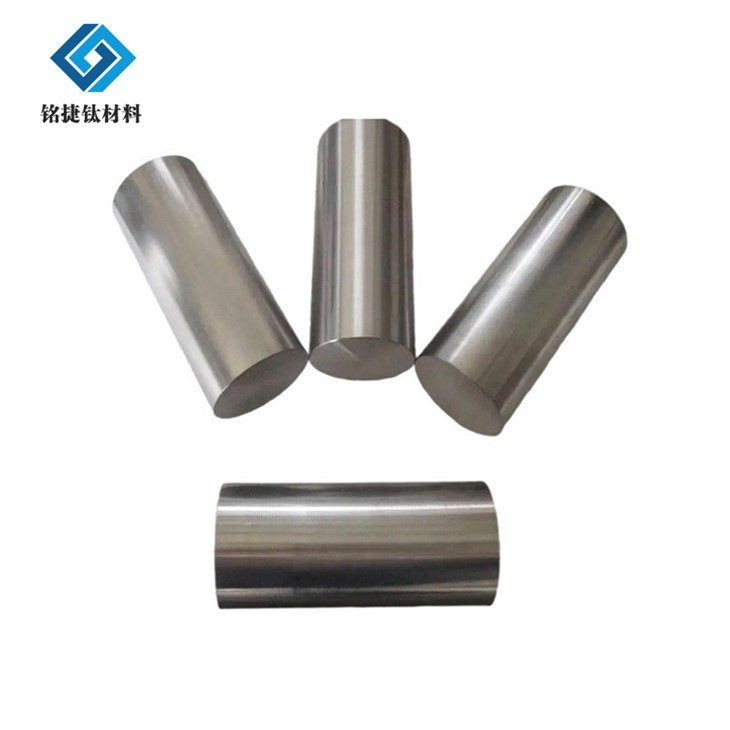
Gr7 Titanium Bar is a type of titanium alloy that contains palladium as an alloying element. The addition of palladium enhances the corrosion resistance of titanium, making Gr7 Titanium Bar particularly suitable for applications in highly corrosive environments, such as chemical processing, marine engineering, and oil and gas industries.
Titanium itself has a unique property. It has a high affinity for oxygen, which leads to the formation of a thin, stable, and adherent oxide layer on its surface. This oxide layer acts as a protective barrier, preventing further oxidation and corrosion of the titanium metal. In the case of Gr7 Titanium Bar, the presence of palladium further strengthens this protective effect, making it even more resistant to a wide range of corrosive substances.
Reactivity with Other Metals: General Principles
When considering whether Gr7 Titanium Bar reacts with other metals, we need to look at several factors, including the electrochemical properties of the metals involved, the environment in which they are in contact, and the duration of the contact.

Electrochemical Potential
Metals have different electrochemical potentials, which determine their tendency to lose or gain electrons. When two different metals are in contact in the presence of an electrolyte (such as water or a corrosive solution), an electrochemical cell can be formed. This is known as galvanic corrosion. The metal with a more negative electrochemical potential (the anode) will corrode preferentially, while the metal with a more positive potential (the cathode) will be protected.
Titanium has a relatively high electrochemical potential compared to many common metals. This means that in a galvanic couple, titanium is often the cathode and is less likely to corrode. However, the specific behavior also depends on the other metal in the couple. For example, if Gr7 Titanium Bar is in contact with a metal like zinc or aluminum, which have much more negative electrochemical potentials, these metals will act as anodes and corrode, while the Gr7 Titanium Bar will remain relatively protected.
Environmental Factors
The environment plays a crucial role in determining the reactivity between Gr7 Titanium Bar and other metals. In a dry environment, the risk of galvanic corrosion is significantly reduced because there is no electrolyte to facilitate the flow of electrons. However, in a wet or humid environment, especially one that contains salts or other corrosive substances, the likelihood of corrosion increases.
For instance, in a marine environment, where seawater acts as a strong electrolyte, the combination of different metals can lead to accelerated corrosion. If Gr7 Titanium Bar is used in a marine structure and is in contact with steel, for example, the steel may corrode due to the formation of a galvanic cell.
Specific Reactions with Common Metals
Steel
When Gr7 Titanium Bar comes into contact with steel, the potential for galvanic corrosion exists. Steel has a more negative electrochemical potential than titanium. In the presence of an electrolyte, such as water or a salt - containing solution, the steel will act as the anode and corrode. The rate of corrosion depends on factors such as the surface area ratio of the two metals, the conductivity of the electrolyte, and the temperature.
To mitigate this issue, a suitable insulation or coating can be used between the Gr7 Titanium Bar and the steel. This can prevent the direct electrical contact between the two metals and reduce the risk of galvanic corrosion.
Aluminum
Aluminum also has a lower electrochemical potential than titanium. When in contact with Gr7 Titanium Bar in a corrosive environment, aluminum will corrode preferentially. However, aluminum forms a protective oxide layer on its surface, which can slow down the corrosion process to some extent.
Similar to the case with steel, proper insulation or the use of a sacrificial anode can be employed to protect the aluminum and prevent excessive corrosion.
Copper
Copper has a more positive electrochemical potential than many common metals, but it is still lower than that of titanium in some cases. When Gr7 Titanium Bar and copper are in contact, the risk of galvanic corrosion is relatively low. However, in a highly acidic or alkaline environment, the corrosion behavior may change.
Applications and Considerations
In various industries, the combination of Gr7 Titanium Bar with other metals is common. For example, in chemical processing plants, Gr7 Titanium Bar may be used in conjunction with stainless steel pipes or valves. In these applications, engineers need to carefully consider the potential for galvanic corrosion and take appropriate measures to ensure the long - term performance and safety of the equipment.
When designing a structure or a system that involves Gr7 Titanium Bar and other metals, it is essential to conduct a thorough corrosion analysis. This may include laboratory testing to simulate the actual operating conditions and determine the best way to prevent corrosion.
Conclusion
In general, Gr7 Titanium Bar has a relatively low reactivity with other metals due to its high electrochemical potential and the protective oxide layer on its surface. However, in the presence of an electrolyte and under certain conditions, galvanic corrosion can occur when it is in contact with other metals.
As a supplier of Gr7 Titanium Bar, I understand the importance of providing high - quality products and accurate information to our customers. We also offer other types of titanium bars, such as Gr23 Titanium Bar and Gr9 Titanium Bar, which have their own unique properties and applications.
If you are interested in purchasing Gr7 Titanium Bar or have any questions about its compatibility with other metals, please feel free to contact us for further discussion and procurement negotiation. We are committed to providing you with the best solutions for your specific needs.
References
- Fontana, M. G. (1986). Corrosion Engineering. McGraw - Hill.
- Uhlig, H. H., & Revie, R. W. (1985). Corrosion and Corrosion Control: An Introduction to Corrosion Science and Engineering. Wiley - Interscience.
- ASM Handbook Committee. (2003). ASM Handbook, Volume 13A: Corrosion: Fundamentals, Testing, and Protection. ASM International.