Why Does The Hunman Body Not Reject Titanium Alloy,but Reject Other Metals?
Titanium is the only metal that the body does not reject when it is put into the body medically, so why not? Is there any connection between titanium and human body composition?
Let's talk about it today.
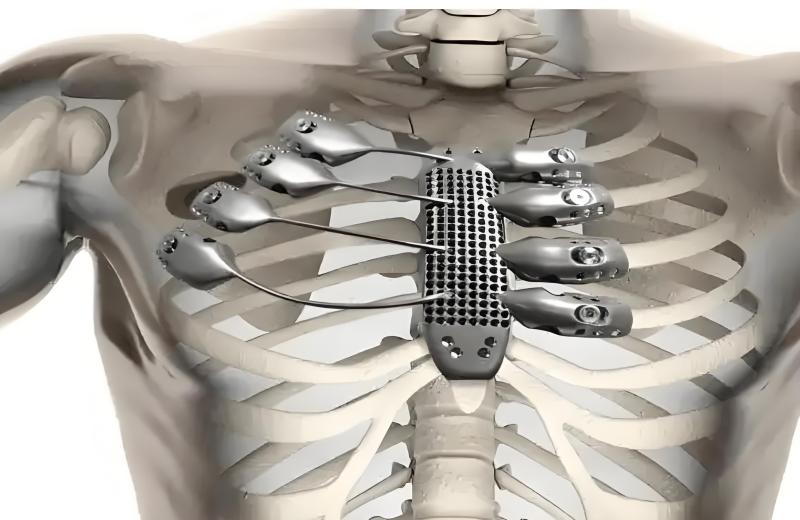
First of all, the so-called rejection is that the immune system recognizes foreign proteins, which are labeled by antibodies, and then triggers an inflammatory response in which immune cells gather, phagocytose and degrade foreign cells and viruses.
Also, the main danger of metals in the body is corrosion of the metal by body fluids, and certain metal ions+ may be cytotoxic.
The biggest advantage of titanium is that it can form a high-quality oxide film in air and water at room temperature, which completely prevents titanium ions+ from entering the body. The oxide film of titanium is almost completely non-corrosive in the body, which is known as histocompatibility.
Not only in the human body, in the chemical industry, strong acid and alkali environment, in the deep sea industry, strong salt corrosion environment, but also only titanium alloy can play the heavy responsibility of the structural metal, to resist the corrosion of a variety of harsh environments.
In fact, the metal tantalum + and niobium in living organisms and titanium is almost the same, but more expensive than titanium, machining performance is not necessarily better, so not much use.
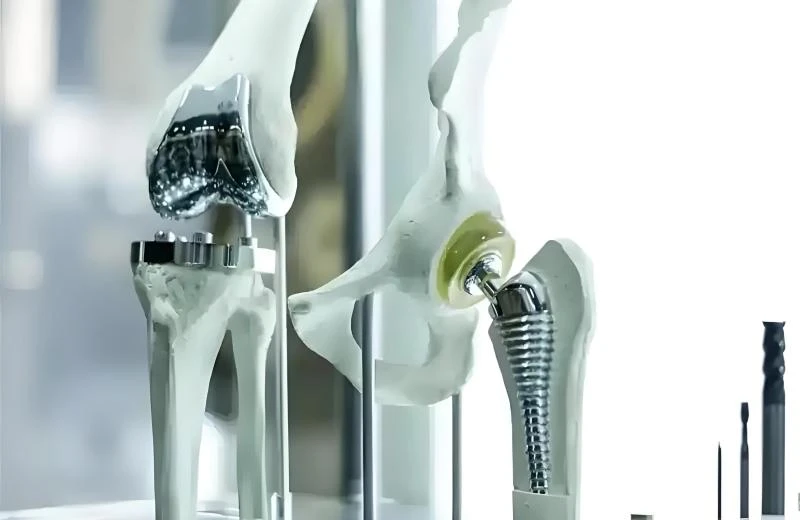
Let's sort it out, titanium alloys are widely used in the human body because of
1. Biocompatibility:
The biocompatibility of titanium alloys mainly stems from the naturally occurring titanium oxide layer on its surface. This oxide layer is very stable and prevents the release of metal ions into the body, thus reducing immune reactions. The inert nature of the titanium oxide layer means that it barely reacts with biological tissues or body fluids in the body, which further reduces the likelihood of rejection and inflammation.
2. Density/Mechanical Properties:
The strength and toughness of titanium alloys make them ideal orthopedic implant materials with a density similar to human bone. These physical properties are similar to human bone and help minimize stress mismatches between the implant and the bone.
3. Corrosion resistance:
Titanium alloys have very high corrosion resistance in the human body. This is because the titanium oxide layer prevents direct contact between body fluids and metals, reducing corrosion and preventing the release of metal ions.
4. Non-magnetic:
The non-magnetic nature of titanium alloys means that the implant will not interfere with diagnostic procedures such as magnetic resonance imaging (MRI).
Due to these properties of titanium alloys, human cells will grow along the titanium alloy and eventually "grow" with it.