

What are the production processes of Gr7 Titanium Bar?
Hey there! As a supplier of Gr7 Titanium Bar, I'm super excited to walk you through the production processes of this amazing material. Gr7 Titanium Bar is a top - notch product with a wide range of applications, from aerospace to chemical processing. Let's dive right in!
Raw Material Preparation
First things first, we need to get the raw materials ready. Gr7 titanium is an alloy that mainly consists of titanium, with a small amount of palladium (Pd). The titanium used usually comes from titanium ores, such as ilmenite or rutile. These ores are mined from the earth and then undergo a series of purification processes.
The purification starts with a process called the Kroll process. In this process, the titanium ore is first converted into titanium tetrachloride (TiCl₄) by reacting it with chlorine gas at high temperatures. Then, the titanium tetrachloride is reduced with magnesium (Mg) to obtain sponge titanium. This sponge titanium is a porous form of titanium that serves as the base for our Gr7 alloy.
The palladium, on the other hand, is sourced from various mines around the world. It's a precious metal that gives Gr7 titanium its excellent corrosion - resistance properties. Once we have the pure titanium sponge and palladium, we carefully measure and mix them in the right proportions according to the Gr7 alloy specifications. This step is crucial because even a slight deviation in the alloy composition can affect the final properties of the Gr7 Titanium Bar. You can learn more about Gr7 Titanium Bar on our website Gr7 Titanium Bar.
Melting and Ingot Formation
After the raw materials are prepared, it's time to melt them. We use an electric arc furnace for this purpose. The mixed titanium sponge and palladium are placed inside the furnace, and an electric arc is created between the electrodes and the materials. The high - temperature electric arc melts the materials, and they form a homogeneous liquid alloy.
During the melting process, we also need to ensure that the environment inside the furnace is controlled. We use an inert gas, usually argon, to prevent the titanium from reacting with oxygen or nitrogen in the air. Titanium is highly reactive at high temperatures, and any contamination can lead to defects in the final product.
Once the alloy is completely melted and well - mixed, we pour it into a mold to form an ingot. The ingot is a large, solid block of the Gr7 titanium alloy. This ingot will be the starting point for further processing to make the Gr7 Titanium Bar. The size and shape of the ingot can vary depending on the requirements of our customers.
Forging and Rolling
The next step is forging and rolling. Forging is a process where we use a hammer or a press to shape the ingot. We heat the ingot to a specific temperature, usually around 900 - 1100°C, and then start the forging process. Forging helps to break down the large grains in the ingot and refine the microstructure of the alloy. This improves the mechanical properties of the Gr7 titanium, such as its strength and toughness.
After forging, the alloy is then sent for rolling. Rolling is a process where the alloy is passed through a series of rollers to reduce its thickness and increase its length. We can control the dimensions of the Gr7 Titanium Bar by adjusting the gap between the rollers. During the rolling process, we also need to maintain the proper temperature to ensure that the alloy doesn't crack or develop other defects.
The forging and rolling processes are usually repeated several times to achieve the desired shape and properties of the Gr7 Titanium Bar. This multi - step process helps to produce a high - quality bar with uniform microstructure and excellent mechanical properties.
Heat Treatment
Heat treatment is another important step in the production of Gr7 Titanium Bar. After forging and rolling, the bar may have internal stresses and an uneven microstructure. Heat treatment helps to relieve these stresses and improve the overall properties of the bar.
We usually perform a solution treatment followed by an aging treatment. In the solution treatment, the bar is heated to a high temperature (around 800 - 900°C) and held there for a certain period of time. This allows the alloying elements to dissolve uniformly in the titanium matrix. Then, the bar is rapidly cooled, usually by quenching in water or oil.
The aging treatment is carried out at a lower temperature (around 400 - 600°C) for a longer period of time. This helps to precipitate the alloying elements in a fine - dispersed form, which further enhances the strength and corrosion resistance of the Gr7 Titanium Bar.
Machining and Finishing
Once the heat treatment is completed, the Gr7 Titanium Bar is ready for machining and finishing. Machining includes processes such as turning, milling, and drilling. We use advanced machining tools and techniques to cut the bar to the required length and diameter, and to create any necessary holes or threads.
After machining, the bar undergoes a finishing process. This can include grinding, polishing, or coating. Grinding is used to improve the surface smoothness of the bar, while polishing gives it a shiny appearance. Coating can be applied to further enhance the corrosion resistance or other properties of the bar.
Quality Control
Throughout the entire production process, we have strict quality control measures in place. We use various testing methods to ensure that the Gr7 Titanium Bar meets the required standards. For example, we use chemical analysis to check the alloy composition, non - destructive testing methods such as ultrasonic testing to detect any internal defects, and mechanical testing to measure the strength and other mechanical properties of the bar.
We also keep detailed records of every production batch, including the raw material sources, production parameters, and test results. This allows us to trace back any issues and ensure the consistency and quality of our products.
Comparison with Other Titanium Bars
Gr7 Titanium Bar is not the only type of titanium bar out there. There are other popular grades, such as Gr5 Titanium Alloy Bar and Gr23 Titanium Bar.
Gr5 Titanium Alloy Bar, also known as Ti - 6Al - 4V, is one of the most widely used titanium alloys. It has high strength and good corrosion resistance, but it doesn't have the same level of corrosion resistance in certain aggressive environments as Gr7. Gr7 is better suited for applications where high - level corrosion resistance is required, especially in chemical processing industries.

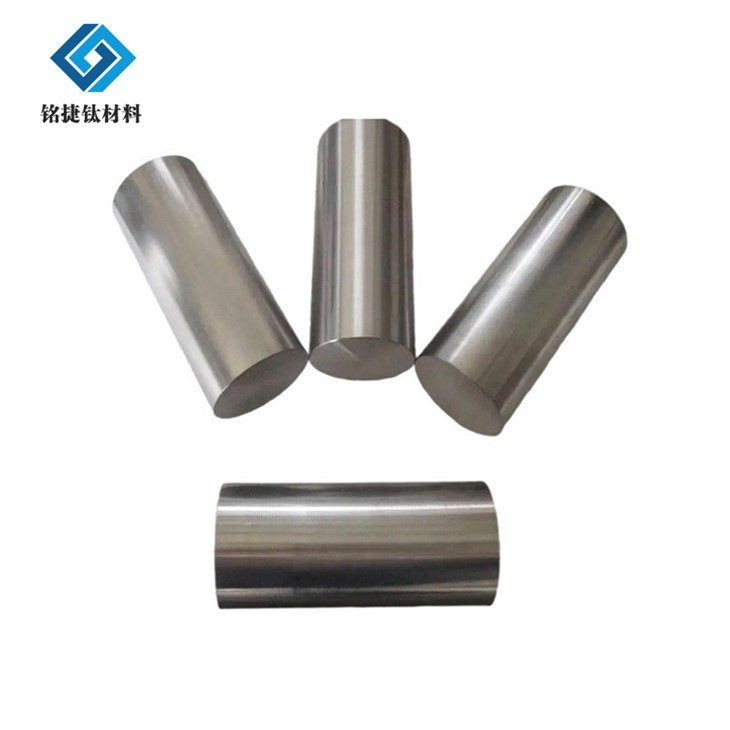
Gr23 Titanium Bar, on the other hand, is a near - beta titanium alloy. It has excellent fracture toughness and is often used in aerospace applications. However, its production process and properties are different from Gr7. Gr7 is more focused on corrosion resistance, while Gr23 is more about high - performance mechanical properties.
Conclusion
So, that's the whole production process of Gr7 Titanium Bar from start to finish. It's a complex and precise process that requires a lot of expertise and advanced technology. As a supplier, we're committed to producing high - quality Gr7 Titanium Bars that meet the diverse needs of our customers.
If you're in the market for Gr7 Titanium Bar or have any questions about our products, don't hesitate to reach out to us. We're always happy to discuss your requirements and provide you with the best solutions. Whether you're in the aerospace, chemical, or any other industry that needs high - quality titanium bars, we've got you covered.
References
- "Titanium: A Technical Guide" by Don Eylon
- "Metallurgy and Processing of Titanium Alloys" edited by R. Boyer, G. Welsch, and E. Collings