

How does the surface treatment affect the corrosion resistance of Gr23 Titanium Bar?
As a supplier of Gr23 Titanium Bar, I've seen firsthand how crucial surface treatment is in determining the corrosion resistance of these bars. Let's dive into how different surface treatments can have a significant impact on the ability of Gr23 Titanium Bars to withstand corrosion.
Understanding Gr23 Titanium Bar
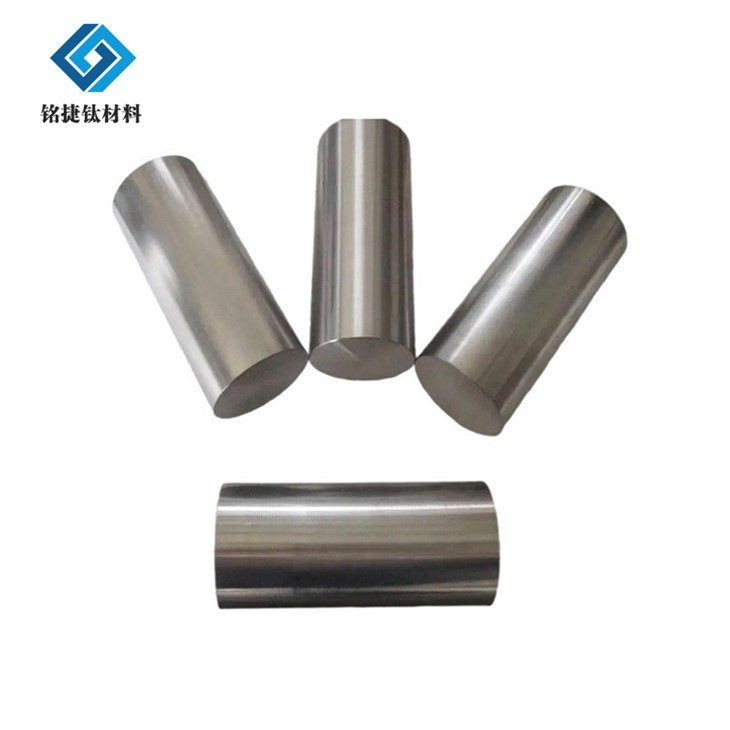
First off, Gr23 Titanium Bar, also known as Medical titanium Gr23 Bar, is a high - quality titanium alloy. It's an extra - low interstitial (ELI) version of Ti - 6Al - 4V, or Ti - 6Al - 4V ELI Titanium Rod. This alloy is widely used in medical applications, aerospace, and marine industries because of its excellent strength - to - weight ratio, biocompatibility, and good corrosion resistance.
But the base metal's corrosion resistance can be further enhanced or, in some cases, affected by the surface treatment it receives.
The Basics of Corrosion in Titanium Bars
Titanium, in general, has a natural passive oxide layer that forms on its surface when exposed to oxygen. This layer provides a certain level of protection against corrosion. However, in harsh environments, like those with high chloride concentrations (e.g., marine environments) or extreme pH levels, this natural layer can be compromised.
When corrosion occurs in titanium bars, it can lead to pitting, crevice corrosion, or stress - corrosion cracking. These forms of corrosion can significantly reduce the mechanical properties and the lifespan of the bars.
Different Surface Treatments and Their Impact on Corrosion Resistance
Mechanical Polishing
Mechanical polishing is one of the simplest surface treatments. It involves using abrasive materials to smooth the surface of the Gr23 Titanium Bar. By removing surface irregularities, mechanical polishing can improve the bar's ability to self - passivate. A smoother surface means that the natural oxide layer can form more uniformly and adhere better to the metal.
In my experience as a supplier, customers in the medical industry often prefer mechanically polished Gr23 Titanium Bars. The smooth surface not only enhances corrosion resistance but also makes the bars easier to clean and sterilize, which is crucial for medical applications.
Anodizing
Anodizing is an electrochemical process that thickens the natural oxide layer on the titanium surface. By controlling the anodizing parameters such as voltage, current density, and electrolyte composition, we can produce an oxide layer with different thicknesses and properties.

A thicker oxide layer provides better protection against corrosion. It acts as a more effective barrier, preventing corrosive agents from reaching the underlying metal. Anodized Gr23 Titanium Bars are commonly used in aerospace and marine applications, where they are exposed to harsh environmental conditions.
Chemical Passivation
Chemical passivation involves immersing the Gr23 Titanium Bar in a chemical solution, usually an acid solution. This process removes any free iron or other contaminants from the surface and promotes the formation of a more stable and protective oxide layer.
Passivated bars have improved corrosion resistance, especially in environments where there is a risk of contamination. For example, in the food and beverage industry, passivated Gr23 Titanium Bars are used to prevent any interaction between the metal and food products, ensuring food safety and the longevity of the equipment.
Coating
Applying a coating to the Gr23 Titanium Bar is another effective way to enhance corrosion resistance. There are different types of coatings available, such as polymer coatings, ceramic coatings, and metal coatings.
Polymer coatings are flexible and can provide good protection against general corrosion. Ceramic coatings, on the other hand, are hard and have excellent resistance to high - temperature corrosion. Metal coatings can also be used to provide a sacrificial layer that corrodes preferentially, protecting the underlying titanium bar.
In the aerospace industry, for example, coated Gr23 Titanium Bars are used in critical components where the consequences of corrosion can be catastrophic.
Factors Affecting the Effectiveness of Surface Treatment
It's not just the type of surface treatment that matters. Several other factors can influence how well a surface treatment enhances the corrosion resistance of Gr23 Titanium Bars.
Surface Cleanliness
Before any surface treatment, the bar must be thoroughly cleaned. Even small amounts of contaminants can prevent the treatment from working effectively. For example, if there is oil or grease on the surface during anodizing, it can disrupt the formation of the oxide layer, leading to uneven protection.
Treatment Parameters
As mentioned earlier, for processes like anodizing and chemical passivation, the treatment parameters are crucial. The wrong voltage during anodizing or the incorrect concentration of the passivating solution can result in a less - effective oxide layer.
Post - treatment Handling
After the surface treatment, how the bars are handled also matters. If they are exposed to a corrosive environment before the treatment has fully set, the corrosion resistance can be compromised. For example, if a passivated bar is stored in a humid environment without proper protection, it can start to corrode.
Real - world Examples of Surface - treated Gr23 Titanium Bars
In a recent project for a marine construction company, we supplied anodized Gr23 Titanium Bars for use in a seawater intake system. The anodized surface provided excellent protection against the high - chloride seawater. Even after several months of exposure, there was no sign of pitting or corrosion on the bars, which is a testament to the effectiveness of anodizing in this environment.
On the other hand, we had a customer in the medical device industry who opted for a simple mechanical polishing treatment for their Gr23 Titanium Bars. The polished bars not only met the high - quality standards for medical use but also showed good resistance to the various chemicals used in the sterilization process.
Choosing the Right Surface Treatment
When it comes to choosing the right surface treatment for Gr23 Titanium Bars, it depends on the specific application. For applications in a relatively mild environment where cleanliness is a priority, mechanical polishing or chemical passivation might be sufficient.
In harsh environments, like aerospace or marine applications, more robust treatments such as anodizing or coating are usually recommended. It's also important to consider the cost - effectiveness of the treatment. Some treatments can be quite expensive, so you need to balance the cost against the expected benefits.
Let's Talk!
If you're in the market for Gr23 Titanium Bars and need advice on the right surface treatment for your application, don't hesitate to reach out. We're here to help you make the best choice and ensure that your project gets the high - quality titanium bars it deserves. Whether you're working on a medical device, an aerospace component, or a marine structure, we've got the expertise to supply you with the perfect Gr23 Titanium Bars. And if you're also interested in Gr7 Titanium Bar, we can provide that too.
References
- Jones, D. A. (1992). Principles and prevention of corrosion. Prentice - Hall.
- Schütze, M. (2000). Corrosion and Corrosion Protection of Metals. Wiley - VCH.
- Fontana, M. G. (1986). Corrosion engineering. McGraw - Hill.