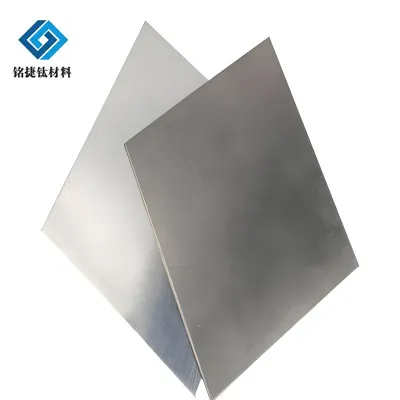
Is Titanium Worth Anything in Scrap
Titanium scrap refers to waste generated during the production, processing, or use of titanium and titanium alloys. It mainly includes blocky residues, shavings, powder, and flakes. Based on composition, it can be divided into pure titanium scrap (such as TA1 and TA2) and titanium alloy scrap (such as TC4), the latter requiring strict sorting due to the presence of elements such as aluminum and vanadium. Its sources cover aerospace, medical devices, and electronics manufacturing, for example, titanium shavings generated during the processing of the titanium alloy frame for iPhones.

Titanium waste has high recycling value; through physical crushing and chemical purification techniques, titanium metal can be extracted or used to produce refractory materials, cement additives, and more.
Market prices currently vary depending on grade and quality. Pure titanium scrap typically sells for $3.40 to $3.60 per kilogram, while aerospace-grade titanium alloys are much more expensive.

Many industries are actively seeking out titanium scrap. Aerospace manufacturers use it in the production of aircraft fuselages, engine components, and landing gear; the medical industry uses it to manufacture implants and surgical instruments due to its biocompatibility; chemical companies value its resistance to harsh environments; and even high-performance car manufacturers rely on titanium to build critical components.

Which titanium scrap markets offer recycling opportunities?
Titanium scrap exists in various forms, each with different market value and recycling potential. The aerospace industry is a primary producer of high-value titanium scrap, while manufacturing plants in many other industries also generate recyclable titanium scrap. Understanding these types of titanium scrap allows sellers to maximize its value.
Commercial pure titanium waste can be classified into three main categories: physical form, chemical composition, and source scenario. The subcategories and characteristics under each category are as follows:
I. Classification by physical form
Blocky waste: including hot-rolled head and tail materials, cold-rolled trimmed materials, etc., which are relatively large and can be directly remelted or machined, accounting for 30%-40% of the total waste.

Solid titanium scrap refers to large blocks of titanium that retain their structural integrity. Because they require minimal processing before remelting, they are highly sought after in the recycling market.
Scrap waste: such as milling chips, sawdust, etc., accounting for more than 50% of the total, due to the large surface area and often containing cutting fluid, need to be pre-treated (such as drying, cake pressing)
Machining workshops produce a large amount of titanium chips and chips during the cutting process. While they are less valuable than solid titanium due to their larger surface area and potential for contamination, they are still highly recyclable.
2. Classification by Chemical Composition
Industrial pure titanium (TA1, TA2): Excellent corrosion resistance, widely used in chemical and marine engineering; can be recycled for use in low-end titanium products.
Titanium alloy scrap: Titanium alloys, especially those used in the aerospace industry, typically fetch high prices on the scrap market. Ti-6Al-4V (Grade 5) titanium alloy, containing 6% aluminum and 4% vanadium, is the most common titanium alloy and is widely recycled.
TC4 (Ti-6Al-4V) scrap: $8.6-11.5/kg ($3.9-$4.2/lb)
Ti-6Al-2Sn-4Zr-2Mo components
Ti-6Al-6V-2Sn remnants
Ti-5Al-2.5Sn structural pieces
Materials such as TC4 (Ti-6Al-4V) and TA15, originating from aerospace components, require strict sorting to avoid contamination by alloying elements.
3. Classification by Source
Production waste: scraps, defective products, etc. from processing.
Waste materials after use: scrapped titanium alloy parts, medical devices, etc.

Aerospace-grade titanium commands the highest prices in the recycling market. These materials typically come with material testing reports to confirm their composition and quality. Aerospace-grade titanium scrap is expensive; some high-quality TC4 titanium scrap can even fetch $5.2 per pound at auctions.
Aerospace scraps include:

Aircraft engine components
Structural fuselage components
Satellite and spacecraft components
Defense Industry Residue