

How to prevent the deformation of Gr9 titanium tube during processing?
Hey there! As a supplier of Gr9 Titanium Tube, I've seen firsthand the challenges that come with processing these tubes without deformation. Deformation can lead to a whole bunch of issues, from affecting the tube's performance to causing delays in production. So, I thought I'd share some tips on how to prevent the deformation of Gr9 titanium tube during processing.
Understanding Gr9 Titanium Tube
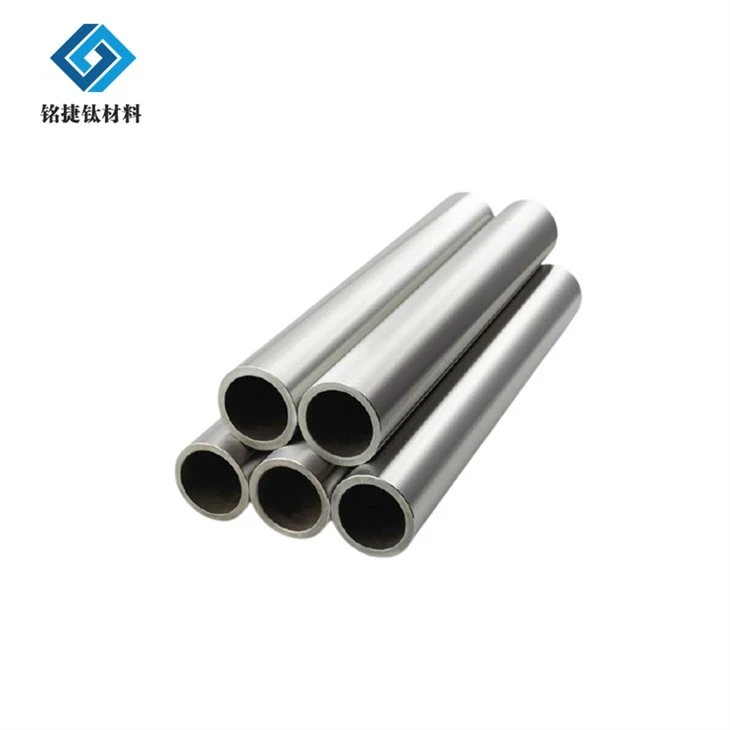
Before we dive into the prevention methods, let's quickly go over what Gr9 titanium tube is. Gr9 titanium, also known as Ti-3Al-2.5V, is an alpha-beta titanium alloy. It's known for its excellent corrosion resistance, high strength-to-weight ratio, and good weldability. These properties make it a popular choice in various industries, such as aerospace, automotive, and marine. You can find more about Gr9 Titanium Tube on our website.
Factors Causing Deformation
There are several factors that can cause deformation during the processing of Gr9 titanium tube. Understanding these factors is the first step in preventing deformation.
1. Heat Generation
During machining processes like cutting, drilling, or grinding, a significant amount of heat is generated. Titanium has a relatively low thermal conductivity, which means that the heat doesn't dissipate quickly. This can lead to thermal expansion and deformation of the tube.

2. Mechanical Forces
The forces applied during bending, straightening, or other forming processes can also cause deformation. If the forces are too high or not applied evenly, the tube can end up being distorted.
3. Improper Tooling
Using the wrong type of tools or tools that are worn out can also contribute to deformation. For example, dull cutting tools can cause excessive friction and heat, leading to deformation.
Prevention Methods
1. Control the Heat
One of the most effective ways to prevent deformation due to heat is to use proper cooling methods. Coolants can help to dissipate the heat generated during machining. There are different types of coolants available, such as water-based and oil-based coolants. Water-based coolants are more environmentally friendly and are often used for general machining operations. Oil-based coolants, on the other hand, provide better lubrication and are suitable for more demanding machining processes.
Another way to control heat is to optimize the cutting parameters. This includes adjusting the cutting speed, feed rate, and depth of cut. By reducing the cutting speed and increasing the feed rate, you can reduce the heat generated during machining.
2. Apply Mechanical Forces Correctly
When applying mechanical forces during forming processes, it's important to ensure that the forces are applied evenly. This can be achieved by using proper tooling and fixtures. For example, when bending a tube, using a mandrel inside the tube can help to support the tube and prevent it from collapsing or wrinkling.
It's also important to use the right amount of force. Applying too much force can cause the tube to deform, while applying too little force may not achieve the desired shape.
3. Use Proper Tooling
Using the right tools is crucial for preventing deformation. Make sure to use high-quality tools that are designed specifically for machining titanium. For cutting operations, carbide tools are often a good choice because they are hard and can withstand the high temperatures generated during machining.
Regularly inspect and maintain your tools. Replace any worn-out or damaged tools immediately. Dull tools can cause excessive friction and heat, which can lead to deformation.
4. Annealing
Annealing is a heat treatment process that can be used to relieve internal stresses in the tube. By annealing the tube before and after processing, you can reduce the risk of deformation. During annealing, the tube is heated to a specific temperature and then slowly cooled. This process helps to soften the tube and make it more malleable.
Quality Control
Implementing a strict quality control system is essential for preventing deformation. Regularly inspect the tubes during and after processing to detect any signs of deformation early. Use measuring tools such as calipers, micrometers, and straightedges to check the dimensions and straightness of the tubes.
If any deformation is detected, take immediate action to correct it. This may involve reworking the tube or adjusting the processing parameters.
Conclusion
Preventing the deformation of Gr9 titanium tube during processing requires a combination of proper techniques, tooling, and quality control. By understanding the factors that cause deformation and implementing the prevention methods outlined above, you can ensure that your Gr9 titanium tubes are processed to the highest quality standards.
If you're in the market for high-quality Gr9 Titanium Tube, Gr7 Titanium Tube, or Gr23 Titanium Medical Tube, feel free to get in touch with us for more information and to discuss your procurement needs. We're here to help you find the right solution for your application.
References
- "Titanium: A Technical Guide" by Don Eylon
- "Machining of Titanium Alloys" by Y. Altintas et al.