

Can titanium foil be recycled?
As a titanium foil supplier deeply entrenched in the metals industry, I often encounter inquiries about the recyclability of titanium foil. This topic is not only crucial from an environmental perspective but also has significant implications for the economic and sustainable future of our business. In this blog, I'll delve into the science behind titanium foil recycling, explore its benefits, and address some common misconceptions.
The Science of Titanium Foil Recycling
Titanium is a remarkable metal known for its high strength, low density, and excellent corrosion resistance. These properties make titanium foil a popular choice in various industries, including aerospace, medical, and electronics. But what happens when the useful life of titanium foil comes to an end? Can it be recycled?
The short answer is yes, titanium foil can indeed be recycled. The process of recycling titanium foil is based on the principles of metallurgy. When titanium foil is recycled, it first goes through a sorting process to separate it from other materials. This is essential because contaminants can affect the quality of the recycled titanium. Once sorted, the titanium foil is melted down in a high - temperature furnace.
The melting point of titanium is quite high, around 1668°C (3034°F). Specialized furnaces are used to reach these temperatures safely and efficiently. During the melting process, impurities are removed through various refining techniques. For example, the use of fluxes can help to separate unwanted elements from the molten titanium. After refining, the purified titanium can be cast into new ingots or formed into new titanium foil products.
Benefits of Recycling Titanium Foil
Environmental Benefits
One of the most significant advantages of recycling titanium foil is its positive impact on the environment. Mining and extracting raw titanium from its ores is an energy - intensive process that can cause significant environmental damage. It involves large - scale excavation, which can lead to deforestation, soil erosion, and water pollution. By recycling titanium foil, we can reduce the demand for virgin titanium, thereby conserving natural resources and minimizing the environmental footprint associated with titanium production.
Recycling also reduces greenhouse gas emissions. The energy required to recycle titanium is much less compared to the energy needed for primary production. According to some studies, recycling titanium can save up to 95% of the energy that would be used in mining and refining new titanium. This reduction in energy consumption translates into lower carbon dioxide emissions, contributing to the fight against climate change.
Economic Benefits
From an economic perspective, recycling titanium foil is a win - win situation. For suppliers like me, it provides a cost - effective alternative to using virgin titanium. The cost of raw titanium can be quite volatile, influenced by factors such as global demand, geopolitical issues, and supply chain disruptions. By recycling titanium foil, we can stabilize our production costs and offer more competitive prices to our customers.
Recycling also creates jobs in the recycling and metals processing industries. The collection, sorting, melting, and refining processes all require a skilled workforce. This helps to boost local economies and provides employment opportunities in the recycling sector.
Quality Benefits
Recycled titanium foil can have the same high - quality properties as virgin titanium foil. The refining process ensures that the recycled titanium is free from impurities and meets the strict quality standards required by various industries. In fact, in some applications, recycled titanium can be even more desirable because it has already been through a production cycle, which can sometimes result in a more homogeneous and consistent material.
Common Misconceptions about Titanium Foil Recycling
"Recycled Titanium is Inferior in Quality"
As mentioned earlier, this is a myth. The advanced refining techniques used in the recycling process ensure that the recycled titanium foil meets or exceeds the quality standards of virgin titanium foil. Aerospace companies, for example, are increasingly using recycled titanium in their components because of its high - quality and cost - effectiveness.
"Recycling Titanium is Too Expensive"
While the initial investment in recycling infrastructure can be significant, the long - term cost savings make it a viable option. The reduced cost of raw materials, combined with the energy savings, more than offset the initial setup costs. Additionally, as the demand for recycled titanium grows, economies of scale will further drive down the cost of recycling.
The Role of a Titanium Foil Supplier in Recycling
As a titanium foil supplier, I play a crucial role in promoting and facilitating the recycling of titanium foil. I work closely with my customers to ensure that they are aware of the benefits of recycling and provide them with guidance on how to recycle their used titanium foil properly.
I also collaborate with recycling facilities to ensure a smooth flow of recycled materials. By establishing partnerships with reliable recycling companies, I can guarantee that the recycled titanium foil is processed efficiently and meets the required quality standards.
Moreover, I am committed to investing in research and development to improve the recycling process. This includes exploring new refining techniques, developing more efficient melting furnaces, and finding ways to reduce the environmental impact of the recycling process even further.
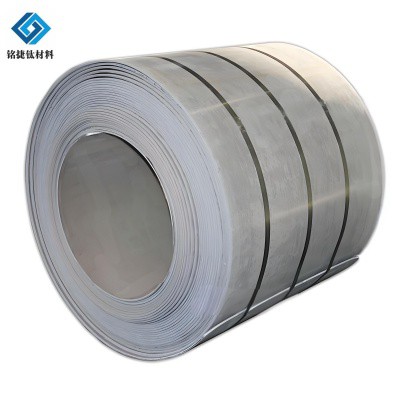
Titanium Strips and foils
If you are interested in learning more about our titanium foil products, including Titanium Strips and foils, please feel free to contact us. We offer a wide range of titanium foil products in different thicknesses, widths, and grades to meet the diverse needs of our customers.
Whether you are in the aerospace, medical, or electronics industry, we have the expertise and experience to provide you with high - quality titanium foil solutions. Our team of experts can also assist you in choosing the right product for your specific application and provide you with technical support throughout the purchasing process.
Conclusion
In conclusion, titanium foil can and should be recycled. It offers numerous environmental, economic, and quality benefits. As a titanium foil supplier, I am committed to promoting the recycling of titanium foil and ensuring that our products are not only of the highest quality but also sustainable.
If you are in the market for titanium foil, whether it's for a new project or to replace an existing product, I encourage you to consider our recycled titanium foil options. We are here to answer any questions you may have and to help you make an informed decision. Contact us today to start a discussion about your titanium foil needs and explore the possibilities of using recycled titanium in your applications.
References
- "The Environmental Impact of Titanium Production and Recycling" - Journal of Metals Recycling
- "Economic Analysis of Titanium Recycling" - International Journal of Economics and Business Research
- "Quality Assurance in Recycled Titanium Products" - Metals and Materials Quarterly