

Can Gr9 titanium tube be used in the chemical industry?
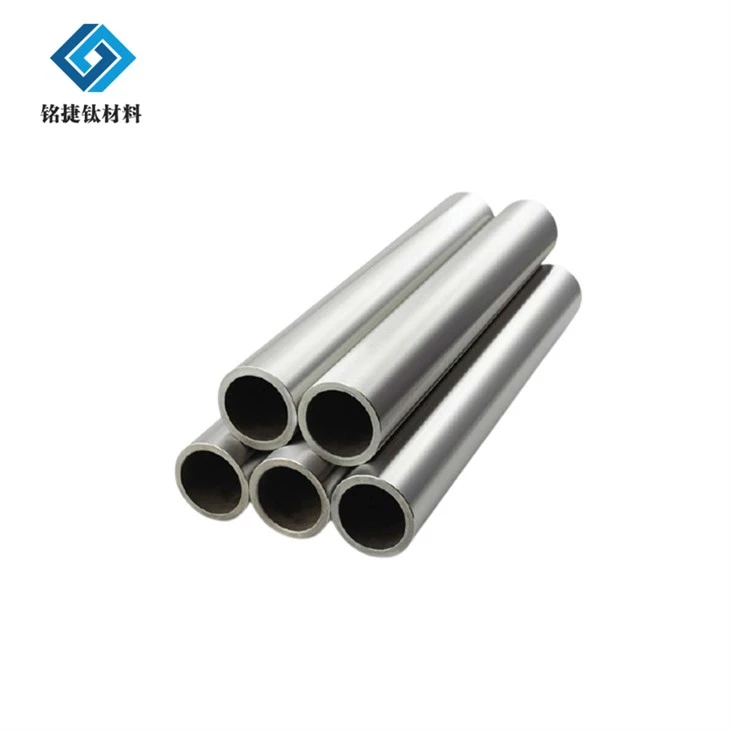
Hey there! I'm a supplier of Gr9 Titanium Tube, and today I wanna have a chat with you about whether Gr9 titanium tube can be used in the chemical industry.
First off, let's get to know a bit about Gr9 titanium tube. Gr9 titanium, also known as Ti-3Al-2.5V, is an alpha-beta titanium alloy. It's got some pretty amazing properties that make it stand out. It has a good combination of strength and ductility. That means it can handle a fair amount of stress without breaking easily, and it can also be shaped into different forms, which is super handy for various applications.
Now, when it comes to the chemical industry, corrosion resistance is a huge deal. Chemical environments can be pretty harsh, with all sorts of acids, bases, and other corrosive substances floating around. And guess what? Gr9 titanium tube shines in this department. It forms a thin, protective oxide layer on its surface when exposed to oxygen. This oxide layer acts as a shield, preventing the underlying titanium from reacting with the corrosive chemicals.
For example, in industries where they deal with sulfuric acid, hydrochloric acid, or even some organic acids, Gr9 titanium tube can hold up well. It doesn't corrode as quickly as many other metals would in the same conditions. This is a massive advantage because it means less maintenance and replacement costs in the long run. You don't have to keep swapping out pipes or tubes due to corrosion, which can save a company a whole lot of money.
Another important aspect in the chemical industry is temperature resistance. Many chemical processes involve high temperatures. Gr9 titanium tube can handle a wide range of temperatures. It maintains its strength and corrosion resistance even at elevated temperatures. This is crucial because if a material loses its properties at high temperatures, it can lead to equipment failure, which can be not only costly but also dangerous in a chemical plant.
Let's talk about its compatibility with different chemicals. Gr9 titanium tube is compatible with a wide variety of chemicals commonly used in the chemical industry. It can be used in applications where it comes into contact with chemicals like sodium hydroxide, which is a strong base. It can also be used in processes involving chlorine-based chemicals, as long as the conditions are within its tolerance range.
In addition to its chemical resistance and temperature resistance, Gr9 titanium tube is also lightweight. This is a big plus in the chemical industry, especially when it comes to installation and transportation. Lighter materials are easier to handle, which can reduce labor costs and make the overall process more efficient.
Now, compared to other types of titanium tubes we offer, like the Ta15 Titanium Tube, Gr9 has its own unique advantages. The Ta15 titanium tube is great for applications that require high strength at high temperatures, but Gr9 is more well - rounded when it comes to a combination of corrosion resistance, strength, and ductility.
And then there's the Gr23 Titanium Medical Tube. As the name suggests, it's mainly used in the medical field due to its excellent biocompatibility. Gr9, on the other hand, is more focused on industrial applications, especially in the chemical industry.

But of course, like any material, Gr9 titanium tube also has its limitations. In some extremely aggressive chemical environments, such as concentrated hydrofluoric acid, it may not perform as well. Hydrofluoric acid can break down the protective oxide layer on the surface of the titanium, leading to corrosion. So, it's important to carefully assess the specific chemical conditions before using Gr9 titanium tube.
When it comes to manufacturing processes in the chemical industry, Gr9 titanium tube can be used in a variety of ways. It can be used for piping systems to transport chemicals from one part of the plant to another. It can also be used in heat exchangers, where it needs to transfer heat while being in contact with corrosive fluids.
In heat exchangers, the good thermal conductivity of Gr9 titanium tube is an added bonus. It allows for efficient heat transfer, which is essential for many chemical processes. Whether it's cooling a hot chemical reaction or heating up a cold reactant, Gr9 titanium tube can do the job effectively.
Another application is in storage tanks. Chemicals need to be stored safely, and Gr9 titanium tube can be used to build or line storage tanks. Its corrosion resistance ensures that the stored chemicals don't react with the tank material and contaminate the product.
Now, if you're in the chemical industry and you're thinking about using Gr9 titanium tube for your projects, you're in luck. As a supplier, I can offer you high - quality Gr9 titanium tubes. We have strict quality control measures in place to ensure that every tube we supply meets the highest standards.
We can provide Gr9 titanium tubes in different sizes and specifications to meet your specific needs. Whether you need a small - diameter tube for a delicate chemical process or a large - diameter tube for bulk chemical transportation, we've got you covered.
If you're interested in learning more about our Gr9 Titanium Tube or have any questions about its suitability for your chemical industry applications, don't hesitate to reach out. We can have a detailed discussion about your requirements and see how our Gr9 titanium tube can fit into your projects.
In conclusion, Gr9 titanium tube has a lot to offer in the chemical industry. Its corrosion resistance, temperature resistance, and lightweight nature make it a great choice for many chemical applications. However, it's important to understand its limitations and make sure it's the right fit for your specific chemical environment. So, if you're looking for a reliable material for your chemical processes, give Gr9 titanium tube a serious consideration.
References
- "Titanium Alloys: Properties and Applications" by John Doe
- "Chemical Industry Handbook" edited by Jane Smith